The ecology of human-dominated landscapes
|
|
|
|
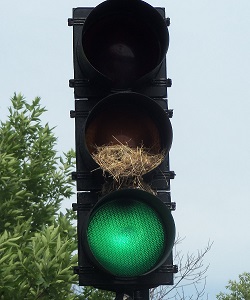
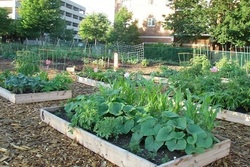
Our lab studies ecological systems and landscapes that have been altered by humans, with a strong focus on urban ecology and cities. We study how plants, birds, insects, and humans interact in these landscapes. We are interested in broad-scale spatial patterns in the environment, how they affect ecological processes, and vice versa. Our research methods include field studies, GIS, computer modeling, and social surveys. Below are some past and ongoing research themes in the lab.
Landscape connectivity
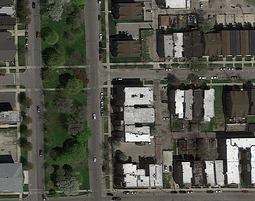
Landscape connectivity refers to the ability of organisms to move through the landscape. For example, two habitat patches that have seed dispersal between them would be connected while patches beyond dispersal range would not be connected. We are interested in how land use and land cover patterns affect seed dispersal, animal movement, and gene flow across the landscape.
|
Urban ecosystems
Cities are novel ecosystems that differ in structure, function, and composition from other ecosystems. Although sometimes regarded as 'ecological wastelands' with little biodiversity, urban areas are home to a surprising number of species. We study distributions of these species, interactions between them, and the potential for cities to contribute to biodiversity conservation, Read more about our urban ecology research here.
|
Ecosystem services
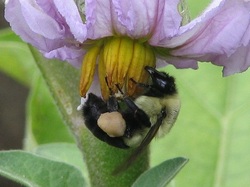
Ecosystem services are the benefits that humans derive from nature. Examples include crop pollination by bees, mitigation of the urban heat island by vegetation, or the pleasure we get from watching birds in our backyard. The spatial distribution of these services may be important in some cases and not in others. We are particularly interested in how these services are distributed across human-dominated landscapes.
|
Conservation
As human populations and demand for resources continue to grow, distributions of other species are shrinking. Parks and nature preserves are important for conserving these species, but their spatial extent is limited. We believe that human-dominated landscapes can also contribution to conservation, and we are interested in exploring creative 'win-win' solutions that benefit both people and wildlife.
|
Human-environment interactions
All humans interact with the environment in many different ways. People often make decisions, both intentionally and unintentionally, that affect other species. Through the provision of ecosystem services, those decisions can feed back to affect human quality of life. Our lab is interested in how people perceive, benefit from, and modify their environment.
|
Non-native and invasive species
Non-native and invasive species are becoming more common and can have important effects on ecosystems. We are interested in understanding how non-native species spread across the landscape, how they interact with other species in their environment, and how they affect ecosystem services.
|
